


.png)
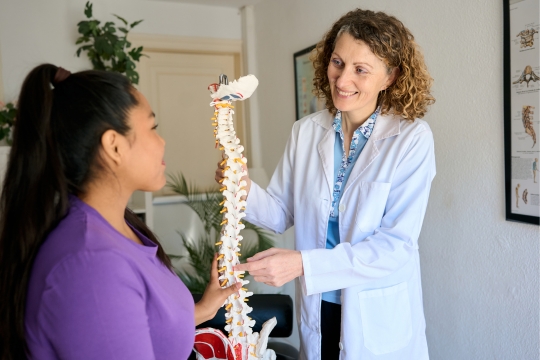
One of the best investments you can make for your business is learning how to train chiropractic office staff for better patient communication. When someone calls, emails, or sends a message to your practice, the response they receive shapes how they see your business. Poor communication can break the trust you've built with patients, harm your reputation, and lead to continued turnover despite your own excellent quality of care. By improving patient communication, your chiropractic office can deliver better care, leading to improved results, more positive reviews, and better outcomes for your patients.
Good Patient Communication Is Active, Not Passive
Many offices fail to communicate effectively because they place the entire burden on patients. The practices with the best patient support are proactive; they reach out, send automated appointment reminders, and implement technology that makes getting information fast and easy.
If your office only responds to questions or often leaves calls to voicemail, you miss critical opportunities to make a good impression on your patients. More importantly, your practice loses connection at the times people often need it the most in their chiropractic journey.
When learning how to train chiropractic office staff for better patient communication, it starts with identifying your opportunities for connection. Your staff is every patient's first and last point of contact, so they need the right communication skills to leave a good impression. Their interactions should leave every patient feeling truly seen and heard.
How to Start Improving Patient Communication in Chiropractic Offices
The first step is to perform a communication audit. Answer the following questions:
- How do most of your patients interact with your business before and after their first appointment?
- Are there any communication tools your office is underusing, like email or text?
- Do patients seem responsive in your client portal, or do they tend to call the office with questions despite the messaging system?
- What is the average response time when someone calls or messages your practice?
- How is the tone of your office staff in patient correspondence?
Well-trained teams aren't just good at communicating; they know how to use all available tools to make the best decisions in every situation. For example, it may not be convenient for a patient who works full-time to have the office call them about their visit in the afternoon. Instead, an email and text message could be an effective way to remind them without disrupting their work.
How do you know which tools are best? By allowing your patients to select their preferred method of communication before their first visit. During intake paperwork, include a question that lets them decide how they'd like to be contacted.
When you have this information readily available, it's much easier for you to train chiropractic office staff to improve patient communication. You can focus on training your team how to handle different scenarios, such as billing questions or complaints, on different channels; this will create a playbook for your team that builds their confidence and gives them a roadmap to success, even with challenging patient interactions.
Choosing the Right Tools Sets Your Office Up for Success
Having various communication tools that sync together allows your office to maintain strong relationships with your patients. By installing reliable patient communication software, you can log calls, emails, texts, and interactions with each person who comes to your practice. Staff can also make notes in each patient's file, so anyone who engages with them in the future can be fully aware of any important details related to their care or insurance.
It's important to choose a HIPAA-compliant platform that protects patients' data. There are many options to choose from, like Klara, Aterra, and Tellescope. Implementing a comprehensive patient management system is a strong step toward improving front-desk communication to reduce no-shows.
When your staff has the proper tools to track and easily engage with patients, they are more likely to get a positive response. They can set automated reminders to reach out to people who have not responded or interacted with your practice within a certain period; they can also schedule messages to be sent at specific times, such as after a visit or 24 hours before a scheduled appointment. These small gestures can go a long way in not only improving patients' attendance but also making them feel like they matter to your business.
Set Clear Expectations for Your Office's Communication
During onboarding, ensure your front desk staff is fully informed about your office's brand, culture, and the experience you want to create for your patients. It's important that everyone who engages with patients is well-versed in your services, understands the billing process, and knows who to direct questions to if they can't provide an immediate answer.
Provide a communication handout listing ideal phrases and examples of poor responses. Having clear, concrete examples of how you want your staff to interact can set clear expectations and improve accountability. It also provides a clear standard of care to measure them against during performance reviews.
Use Surveys to Get Patients' Feedback
Sending out a survey at least twice a year can give your practice valuable information about how they feel. This should include both current and former patients, so you can gain a deeper understanding of what different people's experiences have been like with your office.
Ask simple questions, like "Did you understand our billing process?" and "Did you find our office staff friendly and helpful?" If time allows, you can also plan to call at least 3 patients per doctor each month to inquire about their last visit, so you can gather real data to improve office practices.
Improve Internal Communications
Ensure your office prioritizes teamwork and collaboration. For many teams, meetings don't need to exceed 10-15 minutes to be effective. A morning and post-work huddle can give your team a chance to touch base and name any challenges they're facing, get support, and find solutions together. When the people who work with your patients every day feel like they can rely on each other, they're better equipped to deliver quality service. Regular meetings improve employee engagement, support anyone who is struggling, and ensure the whole team is aligned on the day's goals and practice needs.
Keep Doctors Accountable
Office staff isn't the only ones responsible for good patient experiences. It's vital that doctors also show up on time, are fully present and engaged during appointments, and follow up with their patients in a timely manner.
If you run the practice as the chiropractor, make sure that you check in with yourself, too. If stress levels are running high, be honest about it, take breaks, and invest in caring for your own needs, too.
For growing practices, it's also important to ensure doctors aren't being overwhelmed by too many patients each day. If the practice is understaffed, aim to get another doctor on board as soon as possible so each patient can get the level of attention they deserve.
Offer Ongoing Training and Support
Let your staff know that you are invested in their job performance. Give them resources to improve their communication skills, do their jobs more effectively, and enjoy their experience at your practice more. It's crucial for office staff to feel they have someone to turn to when they need help, whether they're feeling burdened by a heavy workload or struggling with difficult patients and don't know how to resolve a situation.
Creating a strong office culture leaves a tangible experience on every patient who walks through the door. They can sense when employees are happy to be there. When people are genuinely fulfilled at their job, they have the emotional capacity to be present, responsive, and caring toward the patients who trust your practice.
Help Your Team Grow With a Communication Audit
At PrimeVox, we make communication faster, simpler, and easier for patients and teams.
Book a communication audit for your staff to learn how they can improve their skills and make a lasting impression on your patients.

%2520(2).png)