


.png)

Working as a chiropractor means finding the balance between optimism and realism. You want to encourage your patients without setting unrealistic expectations that leave them frustrated and disappointed. Learning how to manage patient expectations in a chiropractic practice may require updating your software, sharpening your communication skills, and using visuals that enhance your patients' understanding.
What Are Patient Expectations?

Your patients expect to meet certain goals when they visit your practice. Generally, their goal is to live a healthy, pain-free life with increased mobility. Sometimes, you can help them meet this reality. Other times, they'll have to accept certain challenges as they adjust to their new way of life.
Whatever the case, most patients aren't chiropractors themselves and may have unrealistic expectations for their progress. It's your job to set realistic expectations based on your knowledge and education. Since they view you as an authority figure, they're also counting on you to provide informed advice and act in their best interests.
The Importance of Managing Patient Expectations
As you learn how to manage patient expectations in a chiropractic practice, your patients will take notice. Over time, you may notice the following benefits:
- Better outcomes
- Increased patient satisfaction
- Positive word-of-mouth
- Improved employee morale
- Clearer communication
- Smoother recovery periods
When your patients have positive experiences, they'll leave four- and five-star reviews that encourage more visitors to walk through your door. As a result, your practice may continue to grow, enabling you to help more people and hire the best secretaries, office workers, and medical professionals. You'll also make a difference in your community by guiding your neighbors on the path to recovery.
Signs You Have Mismatched Expectations
When your patients have unrealistic expectations, they may expect a faster recovery and become frustrated when they don't heal right away. Worse still, they might push themselves to work, exercise, and resume their routine before they're ready, increasing the risk of injuries. Afterward, they may blame your practice for not setting goals clearly enough.
With decreased patient satisfaction, you may experience critical reviews, complaints directed at your staff, and a challenging workplace environment. You might also feel like you're repeating yourself and your statements aren't reaching your guests. To make matters worse, your staff may give your patients contradicting information about their goals, progress, or payment options.
How to Manage Patient Expectations
Use Clear, Direct Language
Clear communication is the key to managing expectations in your chiropractic office. You don't have to talk down to your patients, but avoid using jargon and making vague statements. Instead, use plain, direct language that anyone can understand. This helps patients understand your expectations and work toward their goals.
Similarly, when developing treatment plans, make sure you break them into simple steps your patient can easily complete. This helps you define your expectations, and your patients will track their progress as they go, rather than viewing recovery as a distant, unattainable goal. For best results, make sure you congratulate them on their successes.
Discuss Possible Challenges
Accepting the possibility of setbacks is a huge part of learning how to manage patient expectations in a chiropractic practice. While you don't have to treat setbacks as inevitable, considering each patient's injuries, pain level, lifestyle, and comfort zone will help you set realistic expectations that don't push your visitor too far.
With this in mind, discuss possible challenges with your patients and offer advice on overcoming them. If a visitor fails to meet their goals, you could adjust your expectations while encouraging them to keep moving forward. Your patients should feel comfortable enough to open up about setbacks and turn to you when they need help.
Set Realistic Recovery Timelines
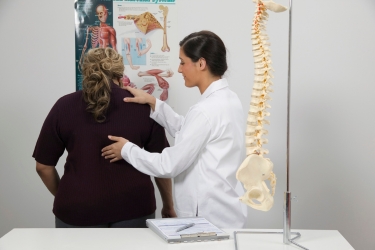
Everyone wants to get better within a few days. Unfortunately, recovery could take weeks or even months, and setting realistic patient recovery expectations is the best way to succeed at your business. Your guests might be a little disappointed, but an honest timeline gives them room for adjustments and setbacks.
Define Concrete Goals
Your patients rely on you to give them a complete roadmap to recovery. To manage their expectations, it's important to set clear, realistic goals that help them track their progress and resume their normal life as soon as possible. Specific goals to set include:
- Completing a certain number of exercises
- Returning to work at a set date
- Reporting a reduced pain level
- Noticing a decrease in inflammation
- Lifting increasingly heavy objects
- Scheduling a specific number of appointments
For best results, give your visitors a clear list or diagram they can take home. Once they place the list in a visible area, they'll receive daily reminders to stay on track and return for their next appointment. This also provides a written list of goals to achieve, which reduces confusion.
Give Opportunities to Ask Questions
Sometimes, your patients have questions but don't know when to ask. Simply asking "Do you have any questions?" at the end of their appointment encourages them to speak up and build trust with your office. You'll also reduce the risk of confusion, setbacks, and missed appointments.
Confirm Payment as Soon as Possible
For most Americans, cost is a huge factor in their treatment. They rely on your office to verify their insurance and provide a clear estimate in advance. If they receive a surprise bill, they'll have negative feelings toward your business as they scramble to cover the unexpected cost.
This makes it essential for your office to discuss payment and set clear, honest expectations. If a patient requires a payment plan, ensure they know each payment's deadline and provide a written copy. Your patients also need written receipts to reduce the risk of confusion later.
Offer Varied Communication Options
To manage your patients' expectations, you'll need to stay in touch after they leave the office. Situations that might require you to reach out include:
- Checking in after an appointment
- Answering a question that required more research
- Discussing new treatment options
- Congratulating them on reaching a milestone
- Reaching out when they miss a session
- Talking about their insurance coverage
Collecting each patient's phone number before they leave might seem like an easy solution. However, everyone has different communication preferences, and some individuals might not respond to emails, voicemails, or text messages. For this reason, you need a system that offers a variety of communication options.
On a similar note, it's important to get back to callers promptly. When an individual is suffering from pain or injuries, they're not going to wait for you to call back the next day. Instead, they'll reach out to other chiropractors in the area until someone finally picks up the phone.
Fortunately, you can invest in systems that send an automatic text whenever someone calls after hours. Other options include AI systems, mobile apps, and group text messages, all of which ensure 24/7 availability. This keeps the conversation going and invites callers to book an appointment.
Enhance Your Communication System

When you upgrade to PrimeVox, you'll get a fast, secure communication network that helps you reach more patients than ever before. To start, our VoIP phones allow you to call and text your guests through our convenient mobile and desktop apps, helping you stay in touch no matter where you are. You'll also get an admin portal with professional, easy-to-read insights.
For your callers, we'll install an AI system that's available to answer their questions, resolve issues, and deal with emergencies 24 hours a day. When your office is taking many calls at once, the AI steps in and helps your guests until your employees are free again. Best of all, you'll only pay for the time the AI spends interacting with people.
When you need to send a fax, our software allows you to send digital faxes from any computer. You'll also receive faxes in your email inbox. Our system is fully HIPAA-compliant and scalable, so you can store more information as your business grows.
Our text messaging system makes it easy to send texts, images, and group messages to your patients. Each caller receives an automatic text message, so no one hangs up without a response. For your phones, you can stick with your existing hardware or invest in our professional desk phones, headsets, conference systems, and accessories.
Call PrimeVox today to discuss our solutions for chiropractor offices. In addition to communication services, our team can help you sync patient expectations with your EHR software, giving you an edge over local competitors. We look forward to helping you manage your patients' needs.