


.png)

Key Points:
- Patient education is a critical part of providing quality care, ensuring patients fully understand both conditions and treatment options.
- Quality patient education helps establish realistic expectations.
- Chiropractors can use patient education to help patients be more compliant and consistent with treatment.
- Patient education in chiropractic care increases patient satisfaction and boosts retention.
When it comes to developing a successful business, you can't overlook the value of chiropractic patient education. Many people still don't understand what chiropractors do or how treatment can (or can't) help them, leading to frustration, low satisfaction, and even negative reviews online. Worse than harming your business's reputation, a lack of proper education means patients don't benefit from care that could have helped them. That's why it's vital to ensure your practice has a comprehensive patient education program in place. It should begin before the first visit and continue throughout the treatment.
If you haven't already implemented some form of chiropractic education for patients, then you're missing a significant opportunity. This guide will help you establish a strong foundation that enables patients to learn and thrive.
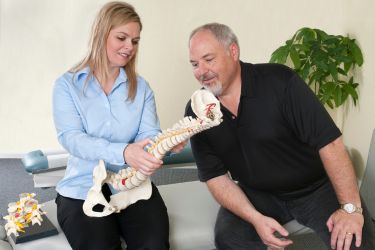
The Hidden Value of Patient Education
Chiropractors treat an estimated 35 million patients annually. And while 91% of people prefer digital tools to learn about chiropractic care, only about 12% receive it via mobile devices, and over 50% of patients don't have access to patient portals. This means your practice has the opportunity to step up and resolve one of the biggest hurdles patients face through chiropractic patient education.
Increased Patient Satisfaction
The best part about educating your patients is that they become more invested in their treatment. While it's one thing to offer patients timelines and try to set expectations, it's another entirely to help them understand the fundamentals of chiropractic care and how it affects their unique symptoms.
Patients who actively participate in their care are more likely to receive better outcomes. As a practitioner, you can help empower your patients by providing them with digestible and accessible education from the outset.
Greater Patient Compliance
How many times do you recommend exercises to patients, only to find that they've forgotten to do them or have not implemented them into their routine? As a professional, there's only so much you can accomplish in one session. Chiropractic care requires a collaborative relationship between the professional and their patient. Education helps explain not just how to improve symptoms but why exercises are practical. Implementing educational tools, such as on-demand video tutorials, stretch routines, and digital guides, can help improve patient follow-through.
Improve Outcomes
As a chiropractor, you don't just want to treat people endlessly. You want to see your patients experience less pain, greater mobility, and more happiness in their lives. You already know the incredible impact chiropractic care can make, but they don't. Patient education in chiropractic care helps bridge the gap between what someone might think and what they should know. This ultimately helps them achieve better outcomes, which enables you to make a greater impact in your work.
Top Tips for Implementing Patient Education
It doesn't have to cost a fortune or dozens of hours to make a good chiropractic patient education plan. Investing in a few technological resources can have a significant benefit for your business.

Implement Digital Services
Whether it's exploring VoIP plan pricing for clinics or patient portals for chiropractic offices, digital solutions are the premier way to deliver the best education and service to your patients. Making information readily accessible with digital tools makes your practice more efficient and expands its capacity to provide better service.
Focus on Foundational Knowledge
Core elements of chiropractic care, like adjustments, joint anatomy, and nervous system structure, should be shared with patients early on. Consider implementing an onboarding email series or a new patient experience in your portal that guides first-time visitors through relevant information prior to their first visit. Updating information based on a patient's unique symptoms and conditions provides a refined patient experience.
Use Visuals to Make Information Easier to Understand
Images improve knowledge retention by activating multiple channels in the brain; be sure to combine text with illustrations that help patients understand their conditions better, whether it's chronic neck pain, whiplash, or spinal conditions.

Enhance Communication
Keep doorways open for ongoing discussions with patients. This doesn't always have to involve taking calls or responding to dozens of emails, either. Having an FAQ section on your patient portal, for example, makes it easier for patients to readily receive information. You could also consider adding a healthcare chatbot, which is trained on chiropractic information and can answer general knowledge questions without burdening your staff.
The Bottom Line
The right digital tools can offer empowering patient education in chiropractic care, along with streamlined services that make care more accessible and tailored to individual needs. To get started, learn more about the Primevox business phone system and what it could do for your practice.
FAQs
How can I offer better patient education to my patients?
Focus on identifying core knowledge gaps with your current patients. What are the most commonly asked questions they have, and what recurring misunderstandings do you notice in your practice? Focus on fundamentals first, then develop comprehensive education resources for specific conditions or types of chiropractic treatment.
What is the best way to offer patient education?
A patient portal with downloadable or on-demand resources can provide your patients with 24-hour access to important educational materials. This can include articles, visuals, guides, and videos that help them stay engaged in their treatment.
When should I begin sharing educational information with chiropractic patients?
The sooner you share information with patients, the better their outcomes can be. New patients appreciate receiving information via email before their visit, followed by access to additional resources through a patient portal. Avoid supplying too much information at once; instead, focus on delivering the most valuable and actionable knowledge first, then expand on your patients' education with each subsequent visit.

%2520(2).png)